
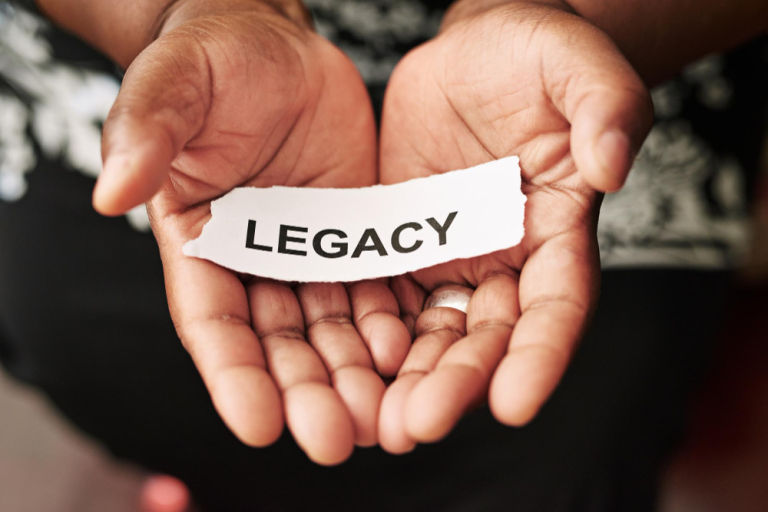
Legacy Giving: How to Make an Impact That Lasts Beyond Today
Key Takeaways
- Legacy giving allows donors to support nonprofits through their will or estate plan.
- Planned gifts help nonprofits sustain and expand their impact for future generations.
- Donors can include charities in wills, trusts, retirement accounts, and life insurance policies.
- Legacy gifts to organizations that support college access and job training create essential opportunities for young people.
- Estate planning professionals can help donors incorporate charitable giving into their long-term plans.
What Is Legacy Giving?
Many people support causes they care about throughout their lives through donations, volunteering, or advocacy. Legacy giving, sometimes called planned giving, allows that support to continue long into the future.
A legacy gift is a charitable contribution arranged as part of a donor's financial or estate plan. Common examples include gifts made through a will, trust, retirement account, or life insurance policy to a nonprofit of your choice. Legacy gifts are often distributed after a donor's lifetime, allowing individuals to create a lasting impact without affecting their current finances.
Why Legacy Giving Matters
Legacy giving helps nonprofits plan for the future and continue serving their communities for years to come. Organizations often use these gifts to strengthen programs, expand services, and respond to emerging needs.
Just as importantly, this form of philanthropy allows legacy donors to align their values with their estate planning. Planned gifts give individuals an opportunity to support causes they care about while leaving behind a meaningful mark on the world for future generations.
Among the most powerful legacies a person can leave is helping vulnerable young people build brighter futures. Nonprofits that guide students through college enrollment, career training, workforce development, and educational success help create opportunities that can transform entire families and communities. A legacy gift to these organizations can continue opening doors for young people long after the donor is gone.
How to Include a Nonprofit in Your Estate Plan
Including a nonprofit in your estate plan is often simpler than many people realize.
Common options include:
- Naming a nonprofit as a beneficiary when you’re making a will.
- Designating a charity as a beneficiary of a retirement account, life insurance policy, or donor-advised fund.
- Including a charitable gift through a trust or other estate planning vehicle.
- Leaving a specific dollar amount, percentage of an estate, or particular asset to a nonprofit organization.
Because every financial situation is unique, experts recommend working with an attorney or financial advisor when creating or updating estate plans.
A Gift That Lives On
A legacy gift is more than a financial contribution. It is a statement about the values, causes, and people that mattered most during your lifetime. By including a nonprofit in your will or estate plan, you can help ensure that future generations have access to the opportunities, support, and resources they need to thrive.
Leave a Legacy for College and Job Training Students With On Point
On Point helps traditional, first-generation, and nontraditional students in the Central New York region overcome the barriers to higher education and careers. We support our students from application through graduation and beyond, empowering them to fulfill their dreams and achieve their potential, which ultimately benefits both the individuals and our community.
Our Education Services and Career Services teams provide a range of supportive resources designed to help On Point students and graduates find the right college or university, training program, job, and “life” things in between. But we can’t do it without you. Consider investing in accessible higher education and job training programs for young people facing barriers to success by participating in our Legacy Giving program or our many other ways to give!
Ready to talk? Contact Sam Rowser, Executive Director, by email or at 315-374-4104.