- Blog
- Strategic Giving: How to Maximize Your Philanthropic Impact
Strategic Giving: How to Maximize Your Philanthropic Impact

Strategic Giving: How to Maximize Your Philanthropic Impact
Thoughtful donors often want to do more than write a check. By aligning charitable goals with smart financial planning, you can expand your impact while potentially reducing your tax burden. Several strategic giving tools allow individuals to donate in ways that are both generous and financially advantageous.
Below is an overview of key charitable giving strategies to consider.
Required Minimum Distributions: Turning Obligation Into Opportunity
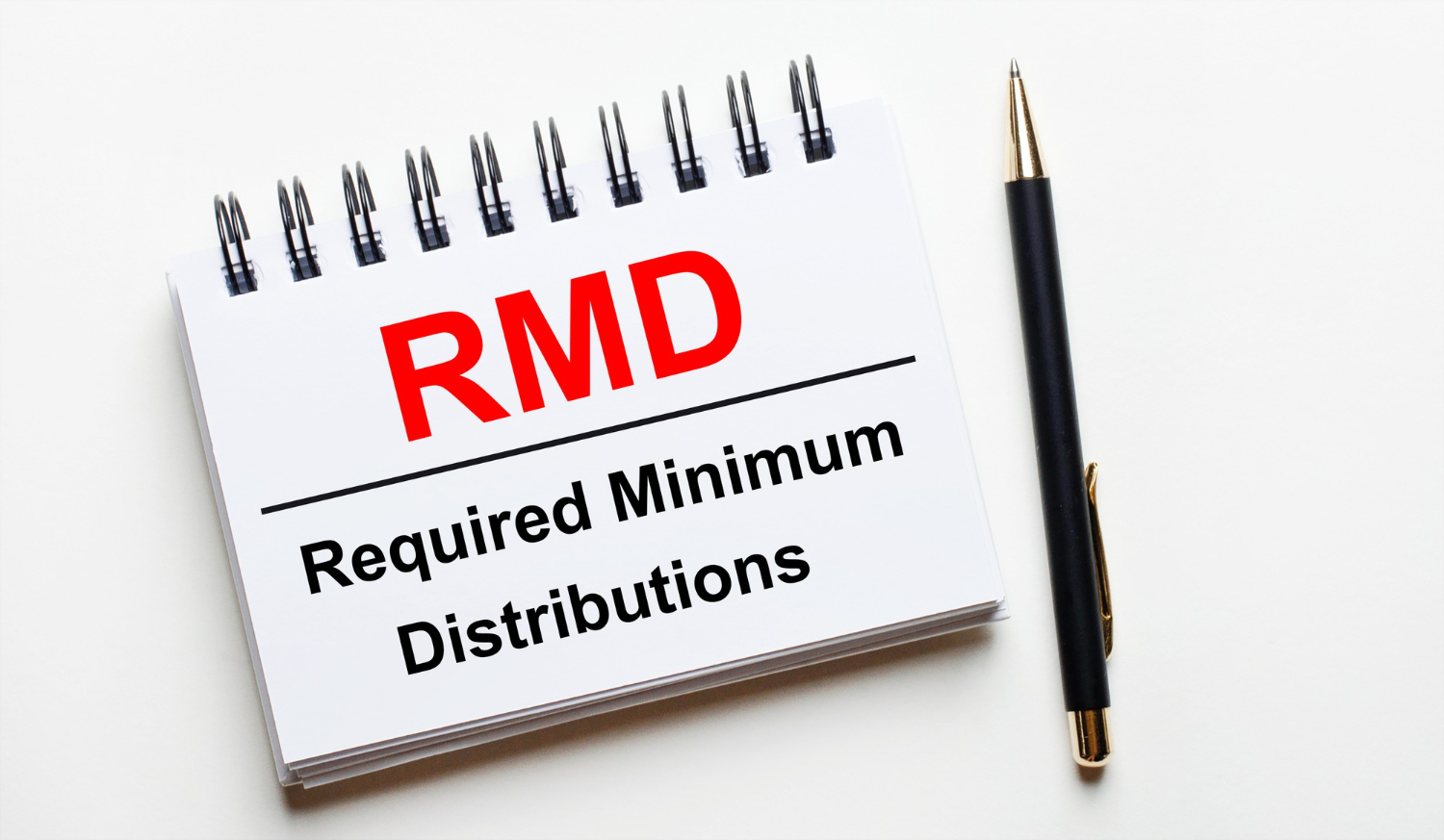
Once you reach the age at which Required Minimum Distributions (RMDs) apply, federal law requires you to withdraw a certain amount annually from traditional IRAs and other qualified retirement accounts. These required withdrawals can create a meaningful opportunity for charitable planning by redirecting funds toward nonprofit causes you care about.
Rather than viewing RMDs as a tax burden, donors can use them to support mission-driven organizations while meeting federal withdrawal requirements. Retirement asset giving is a powerful way for supporters to invest in long-term impact.
Qualified Charitable Distributions: A Tax-Smart Way to Give
One of the most effective ways to use retirement funds for philanthropy is through a Qualified Charitable Distribution (QCD). A QCD allows individuals age 70½ or older to transfer funds from an IRA to a qualified charity. These transfers can count toward your annual RMD but are excluded from taxable income.
There are several key points donors should know about QCDs, including:
-
QCDs must be made directly from the IRA to the charity.
-
They can satisfy all or part of your RMD for the year.
-
Because the amount is excluded from income, QCDs may help reduce your overall taxable income and potentially affect other tax calculations.
-
As of January 2026, both itemizers and non-itemizers can use QCDs.
This strategy can be especially valuable for donors looking for a tax-efficient way to give.
Estate Planning: Naming a Nonprofit as an IRA Beneficiary
Another strategic option is to designate a nonprofit beneficiary of your IRA as part of your estate planning. Leaving retirement assets to charity can be more tax-efficient than leaving them to individual heirs, since charities do not pay income tax on distributions. Naming a charity as an IRA beneficiary can be accomplished through a simple beneficiary designation form, without revising your will.
By directing retirement assets to charity and leaving other assets to family members, donors may help reduce the overall tax burden on their estate.
Gifts of Appreciated Stock: Avoiding Capital Gains Taxes
Donating appreciated stock to charity instead of cash can significantly enhance the value of your gift. When you donate long-term appreciated securities directly to a public charity, you may avoid paying capital gains tax on the appreciation while potentially receiving a charitable deduction for the full fair market value.
Further, giving stock instead of cash can allow nonprofits to receive the full value of the asset, while donors avoid selling the stock and triggering taxable gains. This approach can be particularly effective during strong market years, when long-held investments have grown substantially in value.
Aligning Generosity With Financial Wisdom
Strategic giving tools allow donors to expand their impact while thoughtfully managing taxes. By working with a financial advisor and connecting with trusted nonprofits about available giving options, you can create a plan that reflects both your values and your long-term financial goals.
Maximize Your Giving Impact Today With On Point
On Point helps traditional and nontraditional students in the Central New York region overcome the barriers to higher education and careers. We support our students from application through graduation and beyond, empowering them to fulfill their dreams and achieve their potential, which ultimately benefits both the individuals and our community.
Our Education Services and Career Services teams provide a range of supportive resources designed to help On Point students and graduates find the right college or university, training program, job, and “life” things in between. But we can’t do it without you. Consider investing in accessible higher education and job training programs for young people facing barriers to success by participating in our Legacy Giving program or our many other ways to give!
Ready to talk? Contact Lynne Pascale, Director of Development by email or at 315-399-3129.