- Blog
- Why First-Generation College Students Need Your Support
Why First-Generation College Students Need Your Support

Why First-Generation College Students Need Your Support
For many first-generation college students, getting to campus is only the beginning of a much steeper climb. Without the built-in guidance and resources their peers may take for granted, these driven young adults often rely on community support to turn opportunity into achievement.
Wht Is a First-Generation College Student?
A first-generation college student is typically defined as someone whose parents or guardians did not complete a four-year college degree, meaning they are navigating higher education without the benefit of firsthand family experience or guidance.
While these students bring determination and resilience, they often encounter barriers that can make college access and success more difficult:
-
Limited guidance through the process: Without family members who have attended college, many first-generation students must figure out applications, financial aid, and enrollment steps entirely on their own.
-
Financial strain: First-generation students are more likely to come from lower-income households, making tuition, housing, and everyday expenses harder to manage.
-
Academic preparedness gaps: Some students may come from underresourced schools, leaving them less prepared for college-level coursework.
-
Social and emotional challenges: Feelings of isolation, imposter syndrome, and pressure to succeed in the eyes of their families can impact mental health and persistence.
These obstacles do not reflect a lack of ability. Instead, they highlight the need for strong support systems that can help first-generation students translate ambition into achievement.
How Education Nonprofits Help First-Generation Students Succeed
Higher education nonprofits like On Point for College provide that critical support. Through individualized guidance, the organization focuses on supporting first-gen college students as they apply to college, secure financial aid, and persist in their studies through graduation. Its programs work by meeting students where they are and walking alongside them at every stage, ensuring they have the tools and confidence to succeed.
How You Can Help First-Generation Students Thrive
Helping first-generation college students succeed requires community investment. Individual donors play a vital role in ensuring that students have the support they need to enroll in college and stay on track.
There are several meaningful ways to make an impact:
-
Make a direct donation: Financial contributions help fund advising, application support, and ongoing mentorship services that keep students moving forward.
-
Volunteer your time: Mentoring, career guidance, and administrative support can provide students with practical tools and encouragement.
-
Advocate and spread awareness: Sharing information about the challenges first-generation students face can inspire others to give or get involved.
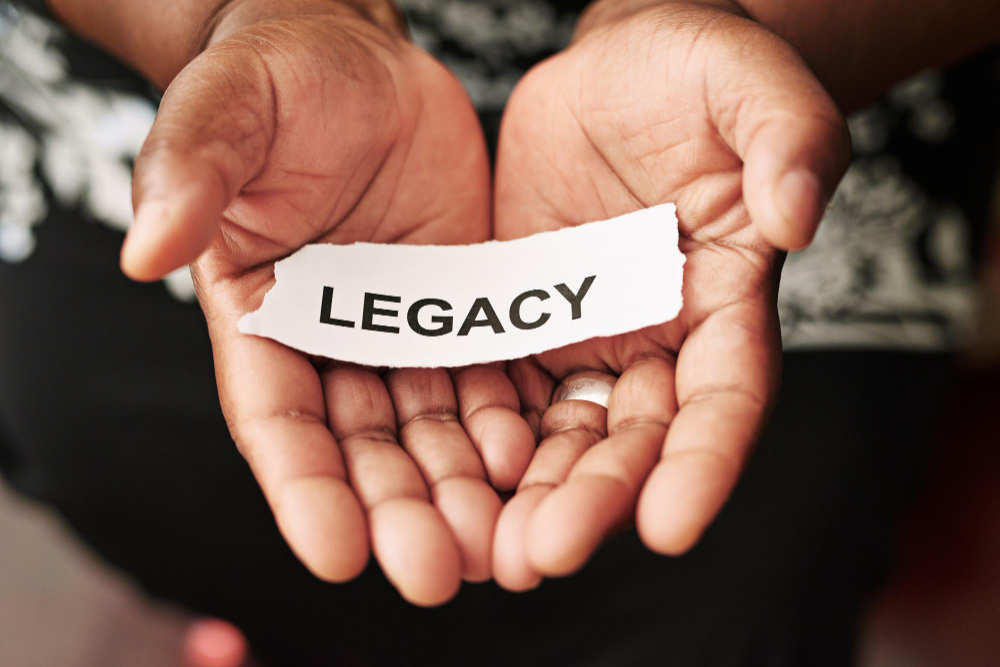
When you invest in first-generation college students, you’re helping families and communities build new legacies through increased opportunity for economic mobility.
Make a Difference for First-Generation Students With On Point
On Point helps traditional, first-generation, and nontraditional students in the Central New York region overcome the barriers to higher education and careers. We support our students from application through graduation and beyond, empowering them to fulfill their dreams and achieve their potential, which ultimately benefits both the individuals and our community.
Our Education Services and Career Services teams provide a range of supportive resources designed to help On Point students and graduates find the right college or university, training program, job, and “life” things in between. But we can’t do it without you. Consider investing in accessible higher education and job training programs for young people facing barriers to success by participating in our Legacy Giving program or our many other ways to give!
Ready to talk? Contact Sam Rowser, Executive Director, by email or at 315-374-4104.