- News
- Doula SeQuoia Kemp’s ‘spark’ for moms and babies…
Doula SeQuoia Kemp’s ‘spark’ for moms and babies started as a child
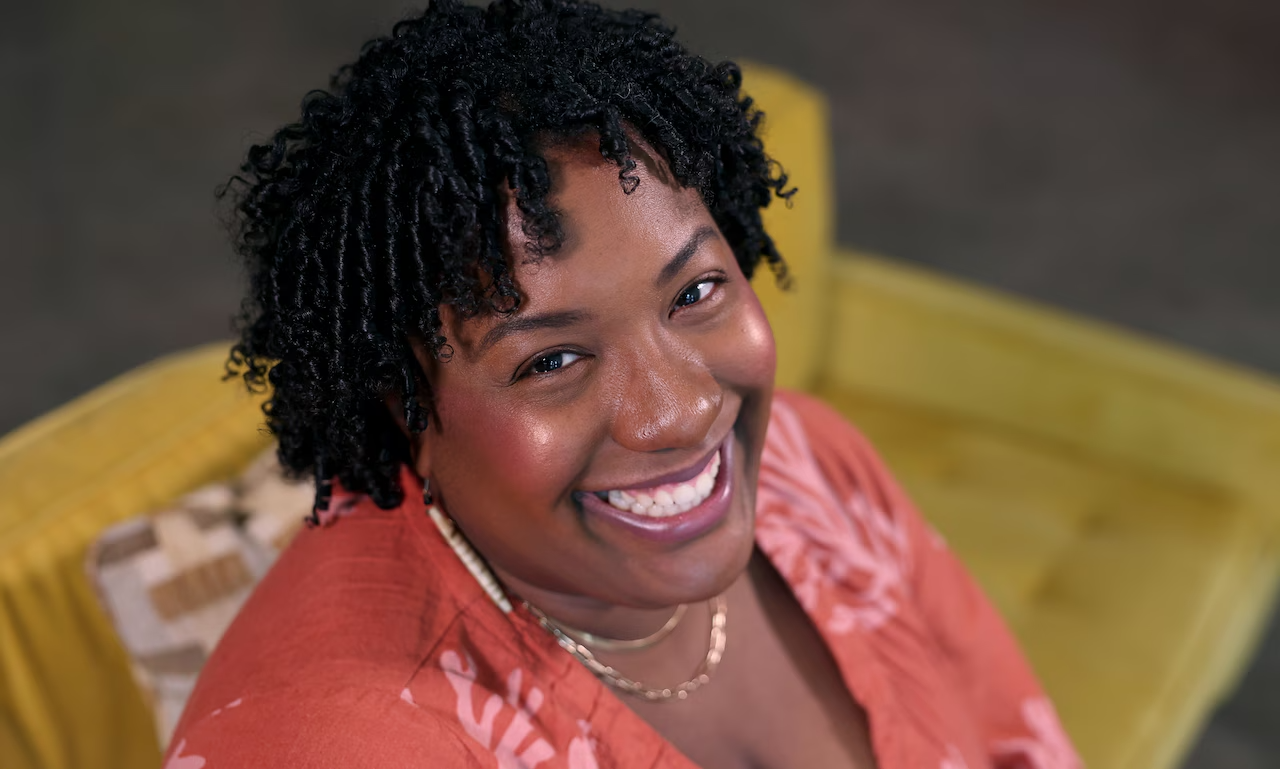
Syracuse, N.Y. — SeQuoia Kemp feels she was born to help mothers.
When she was 13, Kemp was diagnosed with ovarian cysts. At 16, she had surgery to remove them.
Eventually, it all came together.
“It really just sparked something in me,” Kemp said. “And that spark never really went away.”
At 19, Kemp started a birthing collective called Doula 4 a Queen, supporting and educating mothers and families before, during and after pregnancy.
Now 31, she’s an established Syracuse leader in community-based Black maternal health. In addition to Doula 4 a Queen, she’s co-founder of Sankofa Reproductive Health and Healing Center, which provides reproductive health and wellness programs, and CEO of Cafe Sankofa, which promotes maternal health and wellness through writing workshops, yoga and other activities.
Kemp’s work is crucial at a time when Syracuse’s Black infant mortality rate is the highest it has been in years, with 14 deaths for every 1,000 births. Kemp wants to improve that.
Kemp didn’t grow up around doulas. The only exposure she had to a Black maternal health care worker was observing an African midwife, named Ruth, when she was 13. Doulas are non-medical professionals who help expectant mothers with everything from birthing plans to communicating with doctors in the delivery room.
She studied public health at the University of Rochester in 2013. At 18, her pastor mentioned the Doula Pilot Program. She was the youngest doula to go through it. Doulas must be certified to be part of the Medicaid program in New York state.
Every expectant mother can experience doula care differently, depending on their emotional needs and the trajectory of the pregnancy.
“We’ve had a lot of people who felt like they were coerced into labor induction,” Kemp said. “That is a huge trend we see as people having healthy pregnancies and being encouraged to be induced at 39 weeks, even though there’s no medical issue happening.”
This trauma motivated Kemp to spread knowledge of maternal wellness and doula care through writing and education workshops.
Later, Wade remembers her friend always teaching classes, training other doulas, and being at the hospital to support mothers — even if it affected her personal life.
Kemp works with Crouse Health on “Standing in the Gap,” a program that aims to enhance hospital relations with community-based doulas to improve mothers’ hospital experiences.
“It helps to elevate this movement that we’ve been building for the past decade,” Kemp said.
“That gives me hope,” Kemp said. “It’s a full circle moment to work with the hospital where my care sparked at 13.”
“Don’t ever try to do anything alone,” Kemp said. “I know how it feels when you have an idea about something you’re passionate about — it’s sacred. Sometimes you don’t want to give away too much.”
“I think collectivism has been the roadmap that has helped us secure our rights, from civil rights to tenant rights, and all the rights we fight for to this day,” Kemp said. “We could not have done that if we had just looked for a savior or a leader. If we don’t have the tools to improve our community, then someone else might. We just have to build together.”
Article by Kathryn Miller. Read the original article on Syracuse.com.